

In the modern professional landscape, we are more “connected” than ever. Our days are a relentless stream of Slack pings, Zoom calls, and collaborative spreadsheets. Yet, beneath this digital buzz, a silent epidemic of emotional fatigue is brewing.
Recent data paints a startling picture. According to theDeloitte 2025 survey, nearly 3 in 10 Gen Z professionals feel isolated most of the time. For those under high stress, that number skyrockets to over 60%. We are surrounded by people, yet we feel entirely alone.

The Transactional Trap
This disconnect happens when our workplace relationships become purely transactional. We collaborate on tasks, but we don’t connect as humans. There is efficiency, but no emotional safety.
When we operate in environments where we don’t feel seen or valued, our nervous systems switch from “connection mode” to “protection mode.” We build walls to survive the day. In the ancient system of Chakra Dharana, this is recognized as an imbalance of the Heart Chakra (Anahata).
The Heart Chakra is the centre of trust, compassion, and emotional balance. When it is under strain, you might notice:
- Physical tightness in the upper back and shoulders.
- A persistent feeling of being undervalued.
- Deep emotional withdrawal, even when you’re at home.
- Difficulty trusting the intentions of colleagues or leaders.

The Stigma of “Being Strong”
Why don’t we just speak up? A 2025 analysis byPeople Matterssuggests that while mental health resources exist, the stigma remains a massive barrier. Many fear that being vulnerable will hurt their credibility or growth.
This is compounded by cultural expectations. As highlighted byDaily Excelsiorin 2026, many Indian professionals are still told to “be strong” rather than speak openly. Consequently, over 60% of Gen Z and Millennials under high stress are too afraid to voice their problems at work. We aren’t just tired; we are exhausted from the effort of pretending we’re okay.
Healing the Disconnect: The Path to Balance
To move from self-protection back to authentic connection, we must address the Heart Chakra within the broader framework of Chakra Dharana. This system teaches us that emotional well-being isn’t just “in your head”, it’s a flow of energy that requires intentional cultivation.
1. Create “Micro-Moments” of Humanity
Break the transactional cycle. Before jumping into a meeting agenda, spend two minutes asking a colleague about something non-work related. An authentic connection starts with seeing the human behind the job title.
2. Practice Heart-Opening Breathwork
When you feel the “wall” going up, try a simple Heart Chakra focus: sit tall, soften your shoulders, and breathe deeply into the center of your chest. Imagine your breath softening the armour you have built around your heart.
3. Seek Psychological Safety, Not Just “Support”
If your workplace feels unsafe, find a “safe harbor”—a mentor, a trusted peer, or a professional outside of work. The goal of Chakra Dharana is to move energy; keeping your struggles bottled up causes that energy to stagnate, leading to burnout.
4. Vulnerability as a Bridge
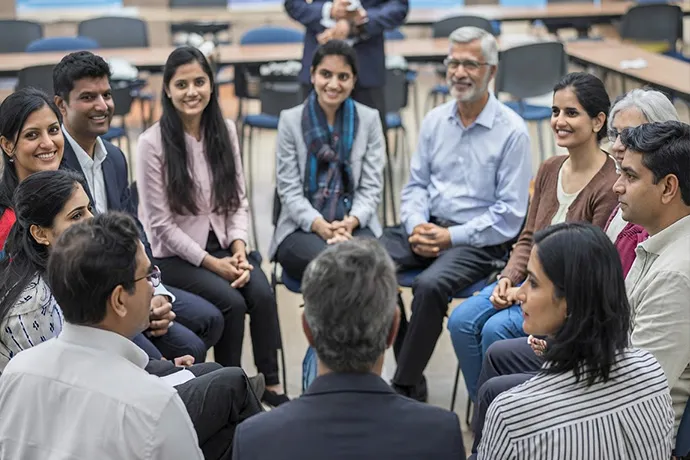
Lead by example. By occasionally sharing a small, honest struggle, you give others permission to do the same. This slowly dissolves the “be strong” mask and fosters a culture of genuine trust.
The Heart Chakra reminds us that we are not machines designed for output, but social beings designed for resonance. By moving from protection to connection, we don’t just work better, we live better.

References
- Judith, Anodea (1996). Eastern Body, Western Mind: Psychology and the Chakra System as a Path to the Self. (Specifically, for the “Transactional Trap” and how heart-chakra imbalances manifest as defensive “armouring” in the body).
- Deloitte (2025). Mental Health in the Workplace: Gen Z and Millennial Survey. (Direct source for the data regarding isolation and the disconnect among younger professionals).
- People Matters (2025). Breaking the silence: Tackling workplace stress and suicide risk in India. (Reference for the analysis on why professionals fear vulnerability).
- Daily Excelsior (2026). The Silent Crisis: Social Media and the Mental Health of Indian Youth. (Cited in text regarding the “Be Strong” cultural narrative).
- Cozolino, Louis (2014). The Neuroscience of Human Relationships. (Supports point on “resonance” and how our nervous systems are physically designed for social connection).
- Goleman, Daniel (1995). Emotional Intelligence. (Linkage between the “Heart center” and social intelligence/empathy in a professional setting).

